African Mango: Irvingia Gabonensis, and Honest Evidence
Popular in metabolic formulas since a run of small trials in the late 2000s. Worth knowing how those trials have held up.
What it is
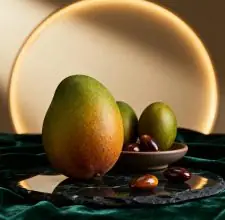
African mango refers to extract from the seeds of Irvingia gabonensis, a tree native to West and Central Africa. The seeds have a long history as a food and thickening agent there. What appears in a supplement is a concentrated seed extract, not the fruit you would buy in a supermarket — and not the same species as a common mango either.
Where its reputation came from
The ingredient became widely used after a small number of trials published in the late 2000s reported effects on body weight, waist circumference and blood lipids. Those results were promoted heavily and the ingredient spread quickly through the metabolic supplement market.
Why reviewers have been cautious since
The trials were small, several came from the same research group, and independent replication has been limited. A systematic review examining them concluded the evidence was not strong enough to support firm claims and called for better-designed studies, which have largely not followed.
That does not make the ingredient worthless. It means confident claims attached to it run ahead of what has actually been demonstrated, and you deserve that context before deciding whether the formula is worth your money.
Proposed mechanism
The suggested explanations involve soluble fibre slowing digestion, effects on leptin sensitivity and effects on an enzyme involved in fat storage. These come largely from laboratory work and should be read as hypotheses rather than established findings.
Safety
Reported side effects in the trials were mild and mostly digestive: gas, headache, difficulty sleeping. Long-term safety data is thin, simply because the long-term studies have not been done.
Because it is a seed extract, anyone with a known nut or seed allergy should check the label and speak to a pharmacist before starting.
Who should avoid it
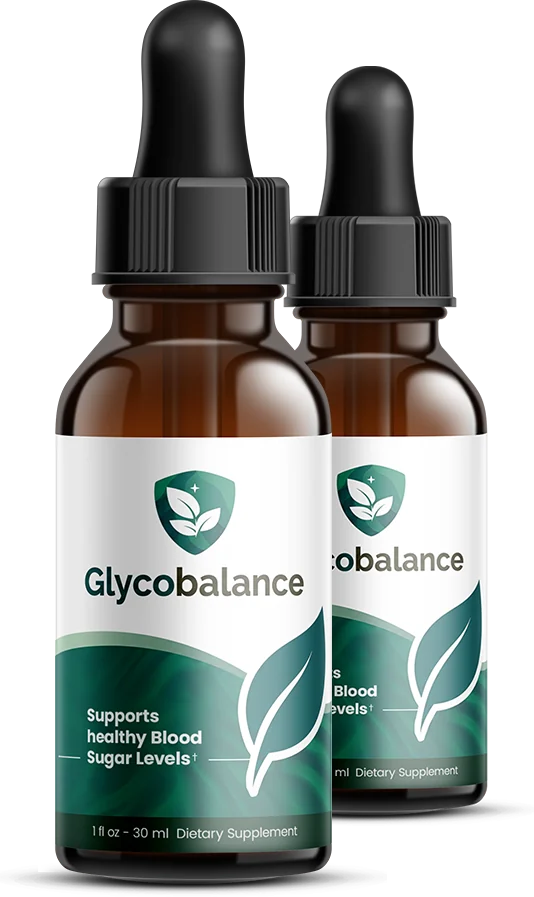
The label states this product is not for anyone under 18, or for women who are pregnant or nursing, and that anyone with a known medical condition should consult a physician before use. Anyone taking prescription medication should clear it with a pharmacist or doctor first.
The interaction that matters most
If you take insulin, metformin, a sulfonylurea or any other glucose-lowering medication, do not add this without speaking to your prescriber. Ingredients associated with lowering blood glucose stack with medication that does the same thing, and the result can be hypoglycaemia. Never reduce or stop a prescribed medication on your own.
Common questions
A few small trials reported effects, but reviewers have questioned their quality and independent replication has been limited. The honest position is that the evidence is weak rather than that it is proven.
No. It is an extract from the seeds of Irvingia gabonensis, a different tree entirely.
Short trials reported mild, mostly digestive side effects. There is little long-term data because those studies have not been carried out.
It is a seed extract, so anyone with a nut or seed allergy should check with a pharmacist before starting.
Want the full formula?
Every ingredient on the label, listed in full.
Other featured ingredients
Before you start
This is a dietary supplement, not a medicine, and it is not a treatment for diabetes or prediabetes. Do not use it if you are pregnant or breastfeeding, and do not give it to anyone under 18. If you take any prescription medication — especially anything that lowers blood glucose — talk to your doctor first. Full detail on the safety page.
Ready to try it
Check Today's Availability
Stock and pricing are managed by the official seller. The link below goes straight to their checkout, where the current offer and the 60-day guarantee terms are shown.